
How Audience Building Drives Conversions:
The full-funnel guide for multichannel brands

The New Reality of Audience Building
Audience building, which includes identifying, segmenting, and targeting consumers based on who they are and how they behave, has always been essential to effective marketing. However, the landscape has changed in ways that make traditional strategies far less reliable:
-
Privacy changes have reduced both the amount and quality of data available.
-
Walled gardens determine their own rules for tracking and attribution, making cross-platform consistency difficult.
-
Retailers hold the strongest purchase data, but it often sits within closed systems.
-
Media costs continue to rise, increasing pressure on performance and ROI.
In this environment, audience strategies built on third-party data, platform-defined affinities, or demographic assumptions cannot deliver the precision or efficiency brands need.
To succeed, brands must rethink how they collect and activate consumer signals. The most effective multichannel teams organize their audience strategy around three essential requirements:
1. Durable First-Party Signals
Brands need consented, privacy-compliant data they can use consistently across every channel. Relying only on cookies or borrowed data is not a sustainable strategy.
2. Real Behavioral Indicators of Purchase Intent
Impressions and views are not enough to predict sales. To improve audience targeting and performance, brands need to identify actions that reflect actual shopping intent, including product-level engagement, retailer selection, and add-to-cart behavior.
3. Cross-Platform Consistency
Every platform and retailer measures behavior differently. High-performing brands unify their commerce signals to create one consistent view of the shoppers across all touchpoints.
For marketers focused on profitable growth, “commerce audience” signals are now essential because they allow brands to build audiences based on actual shopping behavior, not assumptions.
What Are Commerce Audiences?
Commerce audiences are built from real shopping behavior instead of demographic assumptions or broad interest groups. They allow brands to understand who is actively moving toward a purchase and how. MikMak enables multichannel brands to create these audiences using direct purchase-intent actions captured across paid, owned, and earned channels.
These actions reflect the moments when shoppers signal genuine purchase intent, such as:
-
Engaging with influencer-driven shopping journeys
-
Interacting with product- or SKU-specific creative
-
Clicking high-intent CTAs such as “Where to Buy” or “Buy Now”
-
Choosing a preferred retailer such as Amazon, Walmart, or Target
-
Adding items to a retailer cart
These signals appear as shoppers move between media, creators, brand experiences, and retailer environments. When brands capture and unify these interactions, they can build audience cohorts that have a higher likelihood of converting and optimize their media toward the profiles that matter most.
Commerce audiences give marketers a deeper, more accurate understanding of what drives purchase intent. They also strengthen decision-making across the full funnel, from who to target to which creative, channels, and retailers deserve incremental investment.

How Leading Brands Capture Commerce Audiences
MikMak Commerce makes it simple for multichannel brands to collect real purchase-intent signals through shoppable media and Where to Buy experiences. As shoppers explore products, compare options, and choose their preferred retailer checkout, MikMak captures every meaningful action.
To capture these signals, brands place platform tracking pixels on MikMak experience landing pages to build highly qualified audiences they can activate across major platforms like Meta, TikTok, Google, and leading DSPs such as The Trade Desk.
When a shopper interacts with a MikMak-powered experience, the pixel captures the action and sends it directly into the brand’s ad manager, DMP, or CDP.
The MikMak pixels operate using reliable first-party data rather than third-party cookies. All interactions follow GDPR, CCPA, and platform-specific privacy requirements. This ensures that brands collect accurate, compliant signals across their websites and entire media mix, creating a reliable foundation for full-funnel audience activation while reducing costs.
Brand Example: A Chocolate Brand Builds High-Intent Audiences for a New Product Launch
Challenge: A premium chocolate brand launching a new product needed to turn social engagement into measurable retail outcomes by improving shoppability and reaching qualified audiences at scale.
Solution: MikMak enabled pixel tracking and custom event optimization across Meta and TikTok, allowing the brand to optimize toward lower funnel purchase intent behaviors and create seamless paths to retailer checkout.
|
Results (in less than a month):
|
 |
Turning Commerce Signals Into High-Performing Audiences
Once purchase intent signals start flowing into your ad platforms through MikMak pixels, your shoppable experiences become the engine behind smarter targeting and more profitable media investment. Instead of relying on broad or platform-defined segments, marketers can build audiences rooted in real shopping behavior and activate them across the entire funnel.
Build High-Intent, Lookalike, and Retargeting Audiences
The first-party signals captured through MikMak instantly become qualified audience segments inside your ad managers, DMPs, or CDPs. Brands can shape audiences around the actions that matter most, such as:
-
The products or SKUs shoppers explore
-
The retailers they prefer
-
How they interact with creative
-
Their paths through creator or influencer content
These behavioral segments fuel essential audience types such as retargeting pools, lookalike audiences, and custom cohorts based on retailer, SKU, creator, or channel-specific actions. Instead of static segments, teams gain dynamic consumer groups built on real behavior, giving them greater precision and control at scale.
Activate Commerce Audiences Across the Full Funnel
Once created, MikMak Commerce Audiences can be deployed across every stage of your marketing funnel:
-
Upper funnel: Prospecting using lookalikes of high-intent shoppers
-
Mid-funnel: Creative and messaging optimization based on observed behavior
-
Lower funnel: High-efficiency conversion campaigns built around shoppers closest to purchase
-
Retail media: Targeting aligned to preferred retailers
-
Influencer marketing: Retargeting users who engaged with creator content
-
Cross-channel orchestration: Applying consistent signals across all platforms
The result is a true closed-loop system: every impression generates stronger commerce signals, and every signal improves the next round of targeting and optimization. Over time, campaigns become more cost-efficient, more profitable, and more connected to retailer outcomes.
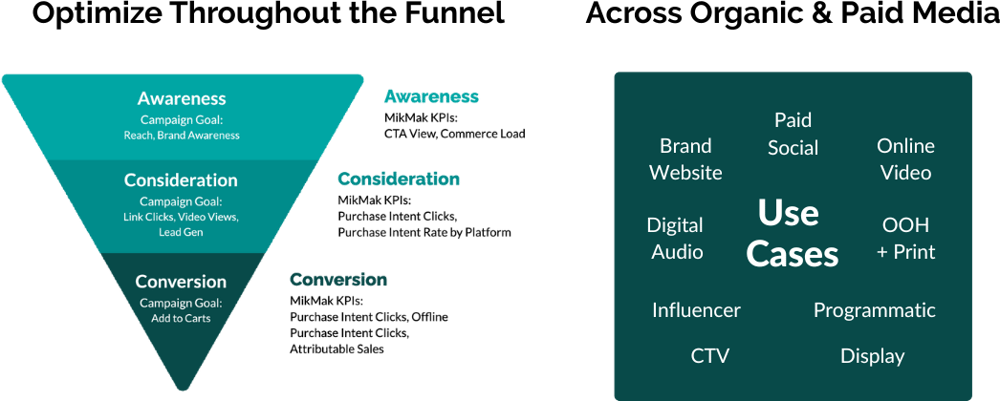
Why Commerce Audience Building Matters Throughout the Funnel
Commerce audiences do more than refine audience targeting. They strengthen every part of the media plan. Because they reflect real shopping behavior, they give brands a clearer view of who is likely to buy, what motivates them, and how they move from discovery to purchase.
With purchase-intent signals in place, brands can:
-
Identify high-value consumers earlier in the journey
-
Reduce wasted spend on broad or low-quality audiences
-
Improve creative relevance and channel-level efficiency
-
Allocate budgets based on actual retailer preference
-
Forecast performance with greater accuracy
Stronger signals lead to smarter decisions at every stage of the funnel.
Top Funnel: Smarter Awareness With Purchase-Relevant Precision
Awareness doesn’t have to be broad or inefficient. When purchase-intent signals are captured at the top of the funnel, marketers gain immediate insight into emerging interest and can start building qualified first-party audiences from the very first impression.
Commerce audiences help brands begin the funnel with higher-quality signals that improve reach, efficiency, and creative direction. Brands can:
-
Build lookalike segments based on real SKU or retailer interactions
-
Exclude low-intent or non-buyer audience segments
-
Tailor creative and messaging to emerging product or category interest
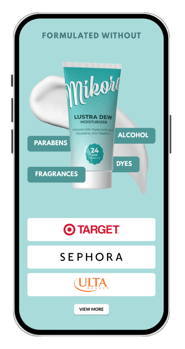
Brand Example: A Cosmetics Brand Builds Audience Segments From Zero
Challenge: A cosmetics brand was launching paid media in the U.S. for the first time. They had no first-party data and had to rely on broad third-party audiences, limiting targeting accuracy and preventing lookalike modeling.
Solution: By activating MikMak Commerce and applying pixel tracking across all paid media, the brand began building commerce audiences from day one, based on real behaviors like SKU exploration and retailer preference.
|
Results (in less than a week):
|
 |
Mid-Funnel: Higher-Value Engagement & Consideration
The middle of the funnel is a key opportunity to increase efficiency, but it’s often underutilized. Commerce signals reveal what’s working by showing which products shoppers compare, which creators or channels drive engagement, emerging retailer preferences, and which content moves shoppers toward checkout. These insights allow brands to deliver mid-funnel campaigns that reflect real behavior, not assumptions.
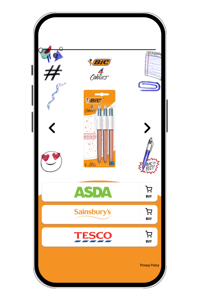
Brand Example: BIC UK Optimizes Audiences for Higher Engagement
|
Challenge: BIC UK relied on generic first-party audiences, paying higher CPMs and sacrificing engagement and ROI. Solution: MikMak and BIC’s PHD agency implemented pixel tracking on landing pages to capture high-quality first-party data, then used these insights to build more precise lookalike audiences. Results: Measurable improvements in conversion likelihood and ROAS, at no extra cost! |
 |
Bottom Funnel: Maximum Efficiency With High-Intent Signals
Commerce audiences are logically the most impactful at the bottom of the funnel. Users who take clear purchase-ready actions, such as clicking “Buy Now” or adding items to a cart, convert at significantly higher rates. Feeding these signals back into ad platforms improves conversion optimization, ad relevance, dynamic product recommendations, and add-to-cart efficiency.
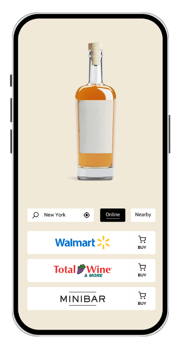
Brand Example: Leading Spirits Brand Boosts Conversions With MikMak Audiences
Challenge: A leading spirits brand ran a two-week holiday campaign but hit saturation after ten days, with declining conversions and purchase intent.
Solution: MikMak implemented “add-to-cart” audiences based on users who showed high purchase intent in previous campaigns, enabling the brand to scale reach while maximizing conversions.
|
Results (in just one day):
|
 |
Best Practices for Full-Funnel Audience Targeting in MikMak
Shoppers rarely follow a straight path from awareness to conversion. Their journey might look like: see a creator → compare products → watch a video → save it → click an ad → buy at a retailer.
Capturing signals only at the bottom of the funnel is too late. To maximize performance, brands must collect purchase intent data across the funnel and use it strategically.
Strong commerce signals at every stage improve targeting efficiency, boost engagement, inform smarter budget allocation, and provide actionable retailer insights.
This is where MikMak comes in. Here are five best practices for leveraging full-funnel commerce audiences.
1. Capture Signals Beyond Brand Websites
Brand websites are extremely valuable for audience building, but they capture only a fraction of shopper activity. Many consumers engage with social, influencer content, or retail sites without ever visiting a brand website. MikMak extends first-party data capture to all these touchpoints, enabling a complete view of purchase intent and cross-channel audience building.
Brand Example: Aveeno Boosted Conversion Likelihood From Search by Driving to MikMak Commerce vs. Brand Website
Challenge: Aveeno wanted to test whether Google Search traffic performed better when sent to their brand website versus directly to a MikMak Commerce experience.
Solution: They ran mirrored Google Search campaigns with identical copy and keywords, splitting traffic 50/50 between brand website and MikMak Commerce for four weeks.

2. Align Audiences to Funnel Objectives
Audience strategy should align with the intent of each funnel stage:
-
Top-funnel awareness: Use campaign learnings to inform lower-funnel media. Build lookalike audiences from high-intent first-party behaviors to improve prospecting quality.
-
Mid-funnel consideration: Retarget product viewers and repeat engagers. Identify which platforms and channels are driving meaningful engagement and conversion signals.
-
Bottom-funnel conversion: Focus on proven high performers and optimize targeting in real time toward shoppers taking clear purchase actions, such as “Buy Now” and add-to-cart clicks.
Aligning audiences to the funnel, rather than to individual platforms, ensures more efficient reach and stronger ROAS.
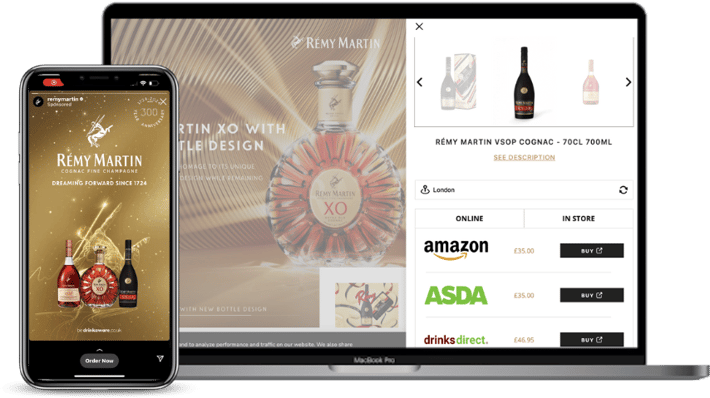
Brand Example: Remy Martin UK Expanded Commerce Audiences Across Media to Boost Omnichannel Sales
Challenge: Remy Martin UK had been using MikMak on their brand website and wanted to test a media pilot during the holiday period to capture high-intent shoppers and drive omnichannel traffic and sales.
Solution: The brand expanded MikMak Commerce to media campaigns in November, creating a seamless path to purchase across social, brand website, and retail platforms.
3. Build Strong Lookalikes With High-Intent Audience Segments
Lookalikes perform best when segmented with SKU-level, retailer-aware, and behavior-driven signals. Refresh audience segments continuously and exclude recent converters to maintain scale and efficiency.
4. Match Creative to Audience Intent
Creative should follow audience intent:
-
Top funnel: Amplify category awareness and brand positioning. Increase household penetration and grow market share.
-
Mid funnel: Highlight product details, differentiators, and social proof.
-
Bottom funnel: Be SKU-specific with clear retailer CTAs and frictionless paths to purchase. MikMak also allows you to tailor creative by retailer without paying a premium for retailer audiences.
5. Test Audiences, Not Just Creative
Optimizing audience composition often produces the biggest lift. Segment and test groups by behavior, retailer preference, SKU-level interest, and lookalike tiers to identify which audiences drive the highest engagement and conversions.
Brand Example: Audience Testing Unlocks Performance for a Personal Care Brand
|
Challenge: A French Personal Care brand wanted to identify which audience segments would drive the highest engagement and purchase intent for a new product. Solution: Shoppers were segmented into four groups: health-conscious, environmentally aware, beauty-focused, and retargeting audiences. Performance was monitored through MikMak to identify the strongest commerce-related behaviors. Results:
|

|
Conclusion
Brands that excel with commerce audiences share common traits: high-quality audience segments, strong mid-funnel signals, recent purchase intent, clear funnel alignment, rich commerce insights, and consistent measurement. By focusing on real shopper behavior rather than platform assumptions, these brands achieve greater efficiency, higher engagement, and stronger retailer performance.
Your Next Steps with MikMak
Building commerce audiences and turning signals into sales with MikMak is straightforward:
-
Define your goals and align them to funnel stages and KPIs
-
Add platform pixels to your MikMak Commerce experiences
-
Build custom audiences and lookalikes based on shopper behavior
-
Match creative to audience intent across funnel stages
-
Activate campaigns across channels and platforms
-
Measure results, optimize, and scale based on insights
Every step ensures you’re capturing signals, building actionable audiences, and driving conversions across media, creative, and retail channels.
Start building audiences that convert. Schedule a MikMak demo today to see how your data, media, and creative can work together to fuel growth across retailers and channels.


![Proven RFP framework to evaluate Shoppable Media and Where-to-Buy vendors. Get the checklist top brands use for confident selection. [Free Guide]](https://www.mikmak.com/hubfs/MikMakRFP-2025.png)