
How Dermocosmetics Brands Win with Multi-Retailer Commerce Enablement
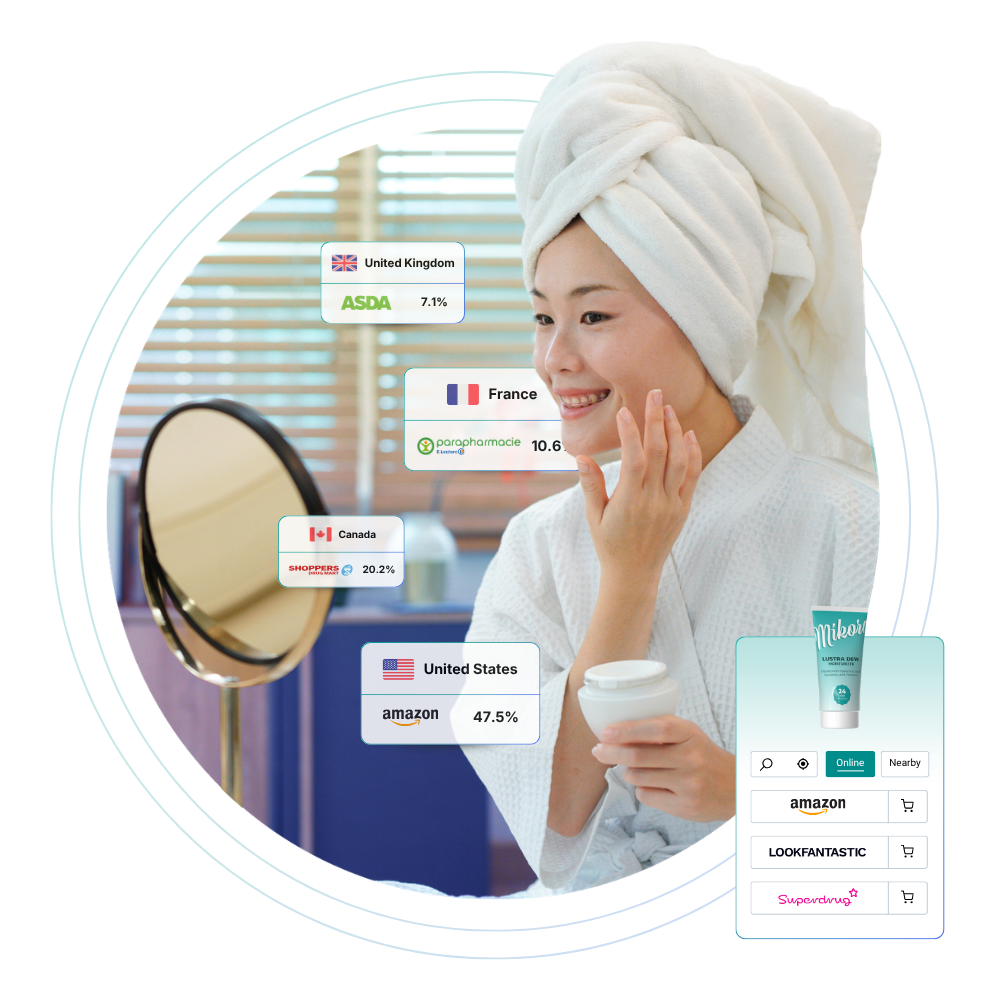
Dermocosmetics has outgrown its niche status. In 2026, the global market is projected to reach $52.59 billion, fueled by "skintellectual" consumers. These are highly informed shoppers who research ingredients, validate clinical claims, and prioritize products that deliver proven results for specific concerns like acne, sensitivity, or aging.
Many Dermocosmetics marketers still struggle to convert this high-intent demand within today’s fragmented purchase journeys.
Based on the latest MikMak benchmark data, we explore how leading brands turn shopper demand into measurable commerce outcomes by focusing on:
- Which channels drive shopper traffic
- Where conversion happens
- How retailer preferences vary by market
- What best practices drive measurable growth
What’s Unique in Dermocosmetics Commerce Marketing
Three dynamics define the Dermocosmetics path to purchase:
- Research-heavy journeys: Shoppers seek solutions for specific skin conditions. By the time they engage with a brand, they are often deeper in the funnel than general beauty consumers.
- Retailers command trust: Pharmacies, parapharmacies, and specialty Health and Beauty retailers play a decisive role in conversion. Shoppers often go to these retailers to get expert advice, reassurance, and credible product comparisons before making a decision.
- Non-linear discovery: The purchase journey covers multiple touchpoints. A shopper may discover a product via an influencer on social media, validate it on a brand website, browse more user-generated content or comparative articles, and ultimately purchase through a pharmacy loyalty program for convenience.
To drive marketing effectiveness in this context, brands must deliver a seamless, multi-retailer experience that reflects real-world shopping behavior.

Where Dermocosmetics Brands Drive Conversions: The Power of a Unified Strategy
Dermocosmetics shopper journeys are non-linear. MikMak Shopping Index data reveals that success isn't about choosing between media or your website; it is about understanding the distinct, complementary roles each plays in the path to purchase.
Demand Generation vs. Demand Capture
To maximize ROI, brands must enable commerce at both ends of the funnel:
- Enable Commerce in Media = Demand Generation: Meet consumers where they spend the most time. Media is your primary engine for volume, capturing intent the moment it emerges on social or search.
-
Enable Commerce on Brand Websites = Demand Capture: Convert consumers when purchase intent is highest. Your website acts as the final validation point for shoppers seeking clinical reassurance.
Why Media is the Engine of Your Retail Traffic
While Dermocosmetics brand websites boast a significantly higher conversion likelihood (56.2%), they account for only 28.4% of total shopper traffic to retailers, according to MikMak's latest data on commerce-enabled brand content. Relying solely on your website for commerce outcomes means ignoring the vast majority of your potential customers.
Media drives 71.6% of all shopper traffic to retailers. Because discovery rarely starts on a brand site, enabling commerce directly from media assets ensures you aren't adding unnecessary friction to the shopper journey.
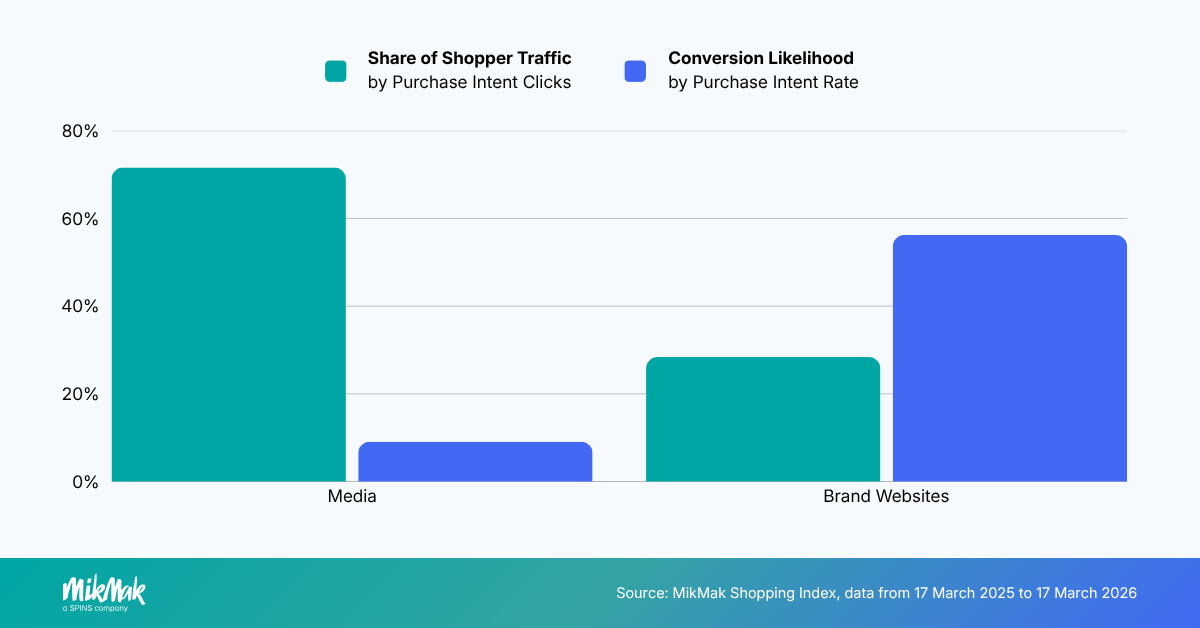
*Purchase Intent Clicks: Number of times a shopper clicks through to at least one retailer during a single session.
*Purchase Intent Rate: Percentage of shoppers who click through to at least one retailer.
💡The Halo Effect: Data shows that commerce-enabled media does more than just drive direct retailer checkout clicks; it creates a "halo effect" across the entire brand ecosystem. Some brands using MikMak have reached 3.7x higher attributable sales on their brand websites by activating shoppable media in addition to their commerce-enabled sites.
Breaking Down the Traffic Drivers
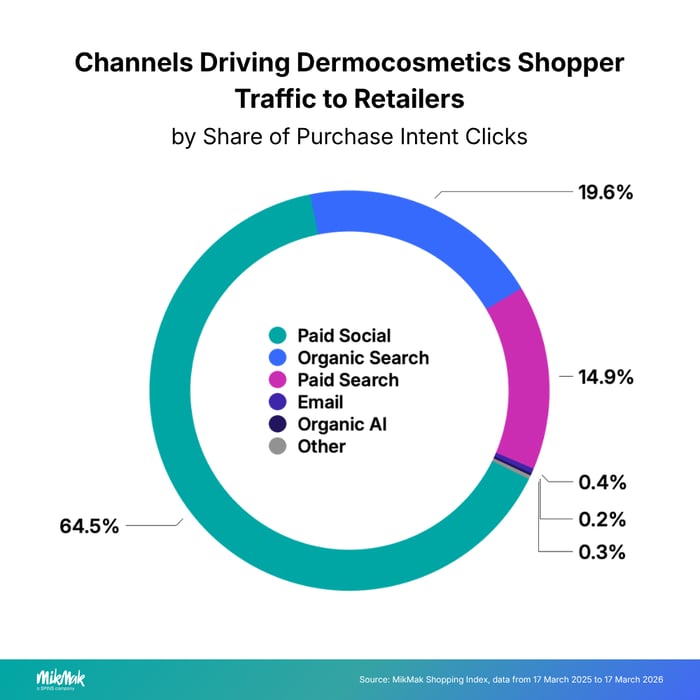
Paid social remains the undisputed leader in moving Dermocosmetics shoppers toward a purchase, accounting for nearly two-thirds of all shopper traffic to retailers from MikMak Commerce-enabled brand content.
The Verdict: A Unified Strategy Drives Scale
While the data shows distinct roles for each channel, the most successful Dermocosmetics brands don't treat them as silos.
- If you only enable commerce on your website, you are optimizing for efficiency but sacrificing scale
- If you only enable it on media, you are driving massive volume but missing the final "high-intent" capture point
True effectiveness requires detecting purchase intent at discovery (Media) and providing a seamless path to buy during validation (Website). Once this unified foundation is in place, the next step is understanding which specific platforms and retailers are actually moving the needle for your category.
The Media Platform Mix: How Channels Shape Commerce Performance
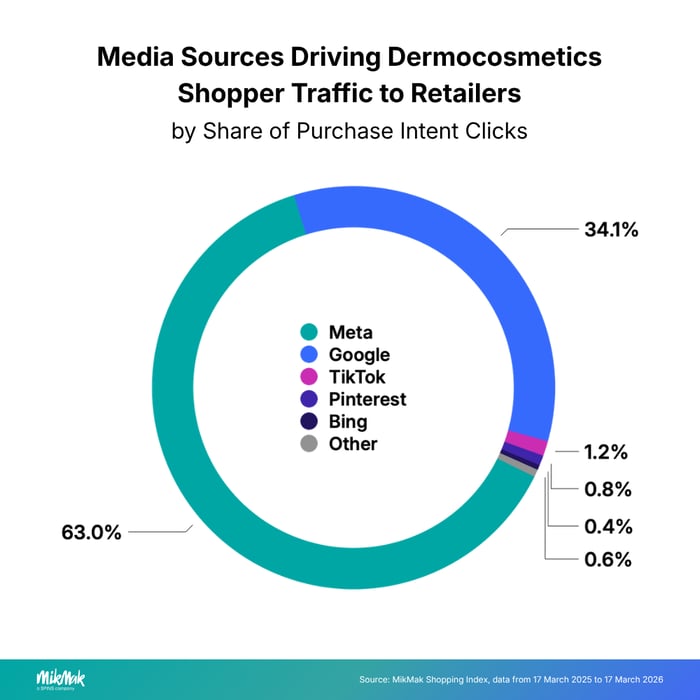
Two platforms dominate commerce-driven traffic for Dermocosmetics from media, reflecting where global brand investment is currently concentrated:
- Meta drives 63% of shopper traffic to retailers
- Google accounts for a 34% share
While platforms like TikTok and Pinterest represent a smaller share today, they remain important for reaching specific audiences and testing new opportunities.
Retailer Fragmentation: The Need for a Multi-Retailer Strategy
No single retailer owns the Dermocosmetics category in any market. Regional habits, trust, and channel preferences dictate how consumers shop across marketplaces, mass retailers, pharmacies, and specialist Health and Beauty players.
MikMak data highlights how this varies by market:
- United States: Marketplaces and mass retailers dominate, led by Amazon (47.5%) and Walmart (29.2%)
- Canada: A mix of mass retail and pharmacy, led by Walmart (43.0%) and Shoppers Drug Mart (20.2%)
- United Kingdom: A balance between marketplaces and specialist Health and Beauty retailers, with Amazon (28.5%), and Boots (26.7%) leading
-
France: A highly fragmented ecosystem spanning marketplaces, mass retail, and pharmacies, including Amazon (15.6%), Parapharmacie E.Leclerc (10.6%), and Cocooncenter (10.3%)
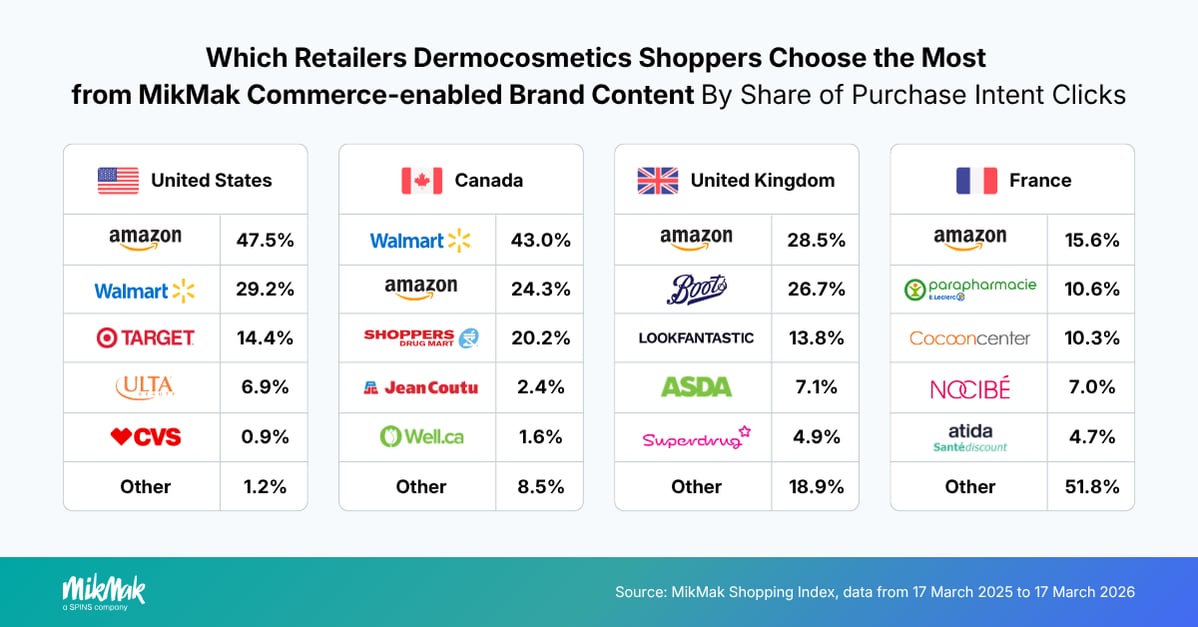
In Dermocosmetics, the retailer is part of the value proposition. Pharmacies and parapharmacies reinforce clinical credibility and expert guidance, while marketplaces and mass retailers compete on accessibility and scale.
Relying on a single retailer in marketing creates friction and limits visibility into where conversions happen. A multi-retailer commerce marketing strategy removes this friction by aligning with shopper preferences and making it easier for consumers to buy from retailers they already trust.
For brands, it also enables first-party insights into retailer selection and strengthens partnerships by providing performance data to support joint business planning.
This platform [MikMak] allowed us to deep dive into traffic analysis and understand which e-retailers our visitors choose, so we can better focus our efforts and develop new strategies.”
Tolgar SASMAZ, Head of Digital

When Demand Happens: Seasonality in Dermocosmetics
Dermocosmetics demand shifts throughout the year, driven by seasonal skin concerns and media investment cycles.
Peak Demand Periods
MikMak data reveals three distinct global demand "waves" throughout the year where purchase intent is most concentrated:
- September to October: This period marks the strongest global peak of the year, capturing 24.5% of total annual shopper traffic. Consumers drive this surge as they address post-summer sun damage and seasonal acne flare-ups.
- January to February: Winter conditions fuel a second surge, representing 19.9% of annual shopper traffic, with shoppers seeking hydration, barrier repair, and sensitive skin solutions.
-
October to November: Overlapping with the autumn peak, heavy promotional cycles and holiday retail campaigns drive a sustained wave of intent, with 23.2% of shopper traffic concentrated in this two-month window.
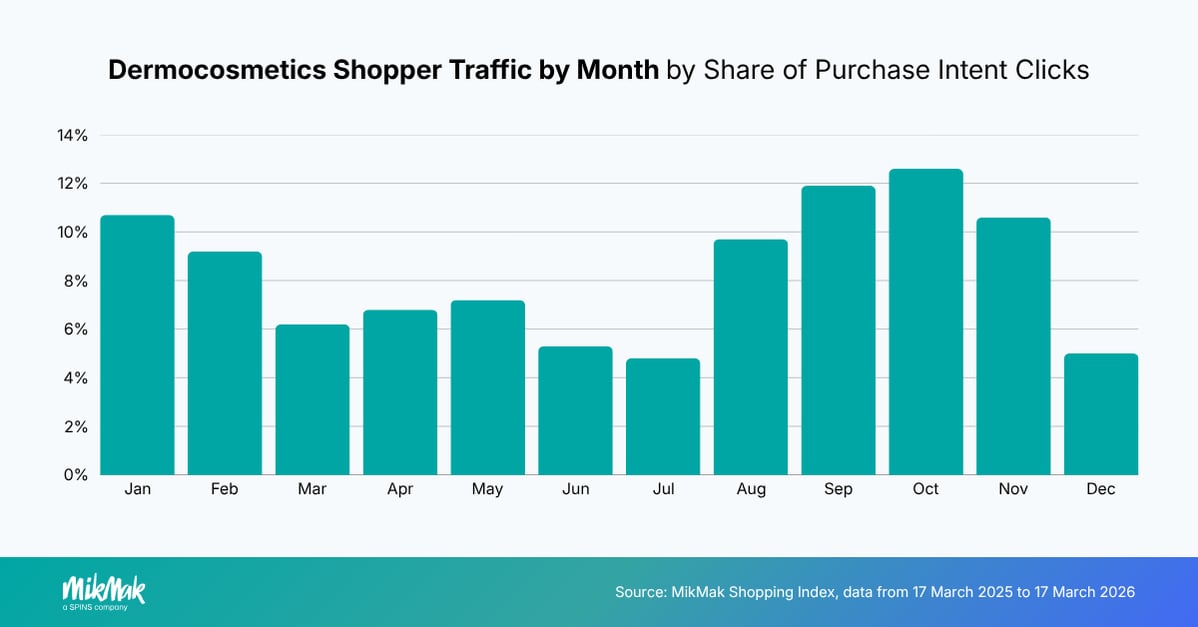
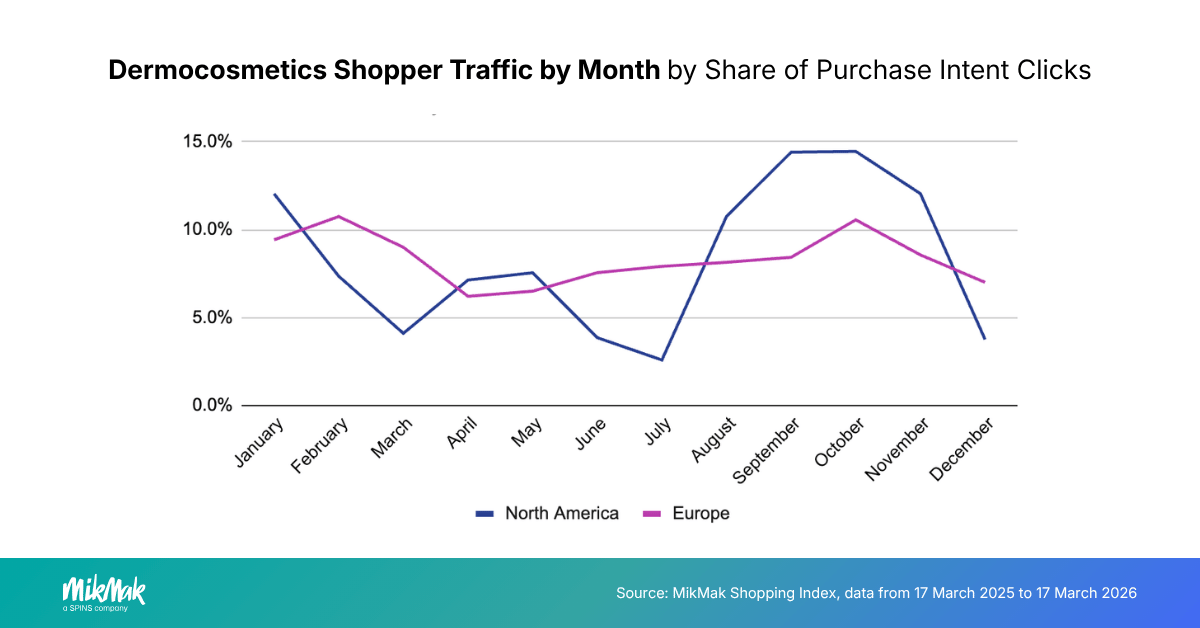
While global trends provide a baseline, regional differences highlight the need for localized strategies:
- North America: Strong peaks in September (14.4%) and October (14.5%), aligned with back-to-school and other retail moments
-
Europe: More evenly distributed demand, with a rise in October (10.6%) and sustained activity through winter
At a more granular level, demand also varies by country and category, making it essential for brands to track purchase intent trends and identify the most relevant moments for their specific portfolio.
The Opportunity: Align Media and Commerce with Demand
Seasonality insights only drive results when brands act on them. Leading Dermocosmetics brands use these insights to:
- Time media investments around high-intent periods
- Tailor messaging to seasonal skin concerns
- Align retailer strategies with regional behavior
Commerce enablement with solutions like MikMak allows brands to monitor demand in real time, and adapt strategies as conditions evolve.
Best Practices to Drive Dermocosmetics Commerce Marketing Performance
Enabling commerce across brand websites and media is the foundation. To drive measurable results, brands must reduce friction, measure purchase intent, and align with how consumers actually shop.
Here are four best practices to turn commerce enablement into a growth engine.
1. Turn Your Brand Website into a Multi-Retailer Conversion Hub
In Dermocosmetics, the brand website plays a key role at the bottom of the funnel. Dermocosmetics shoppers visit brand websites to validate claims, compare formulations, and select retailers. High-performing brands maximize conversion by making purchase options immediate, visible, and relevant:
- Make “Where to Buy” options visible and easy to find
- Integrate real-time retailer availability
- Offer both online and in-store purchase options
Bioderma Increases Conversion with Always-On Purchase Paths
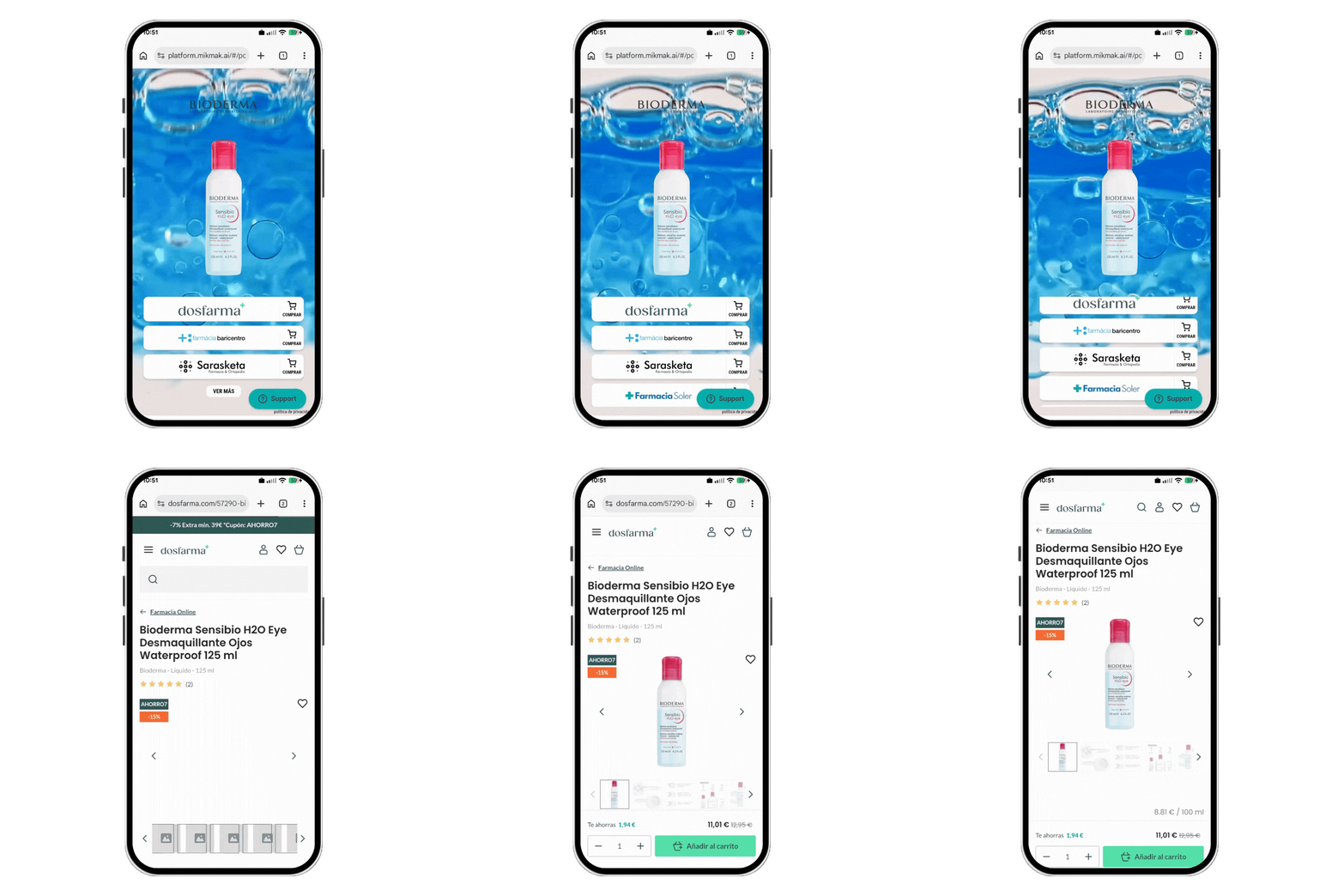
Bioderma ensures that the path to purchase is always within reach on its UK website, allowing shoppers to move seamlessly from browsing to buying.
A persistent shopping cart and embedded “Buy” buttons enable users to explore retailer availability, compare options, and choose between DTC and trusted retailers without disrupting the experience.
This approach creates a seamless and flexible checkout journey while enabling the brand to measure performance consistently across all purchase paths.
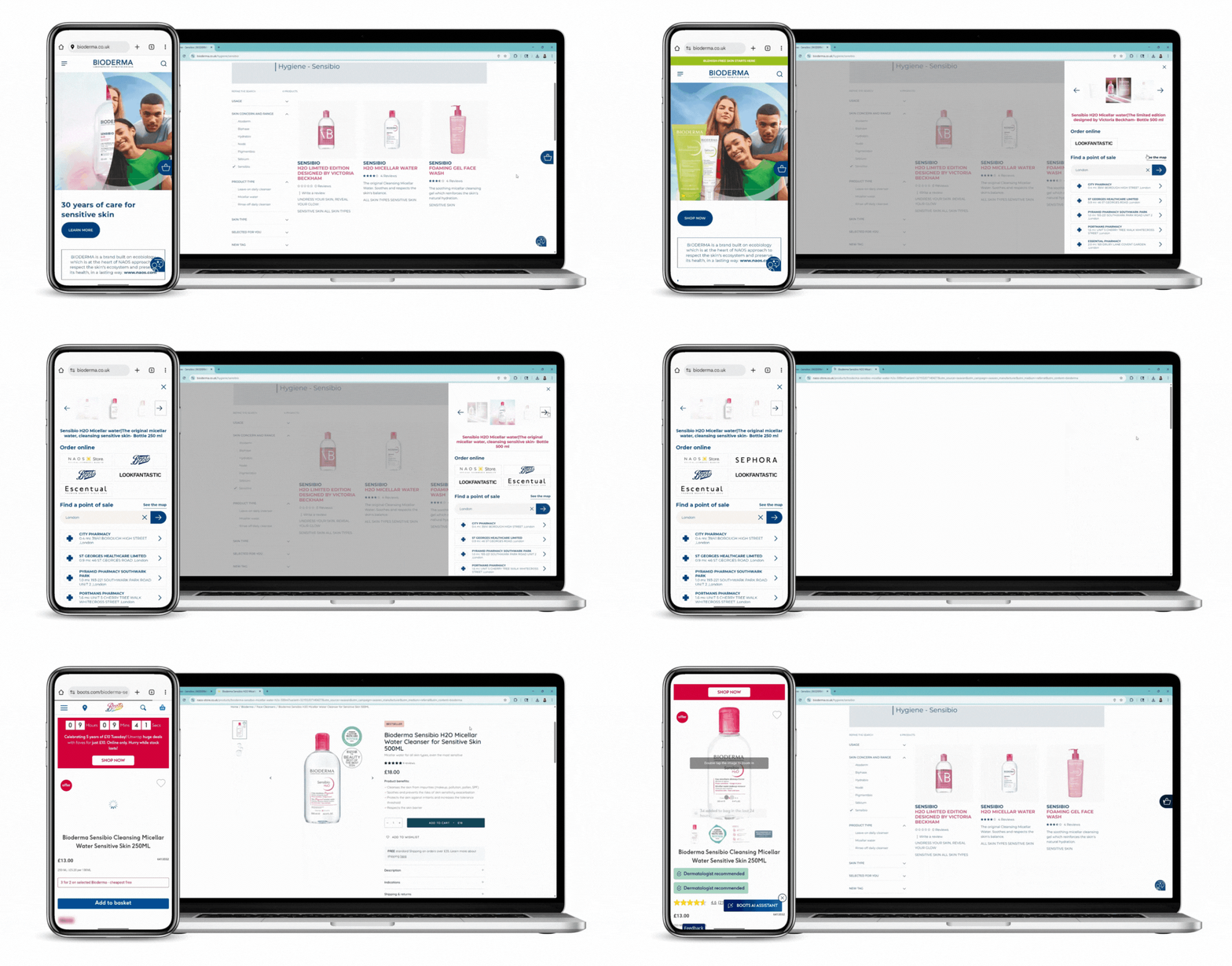
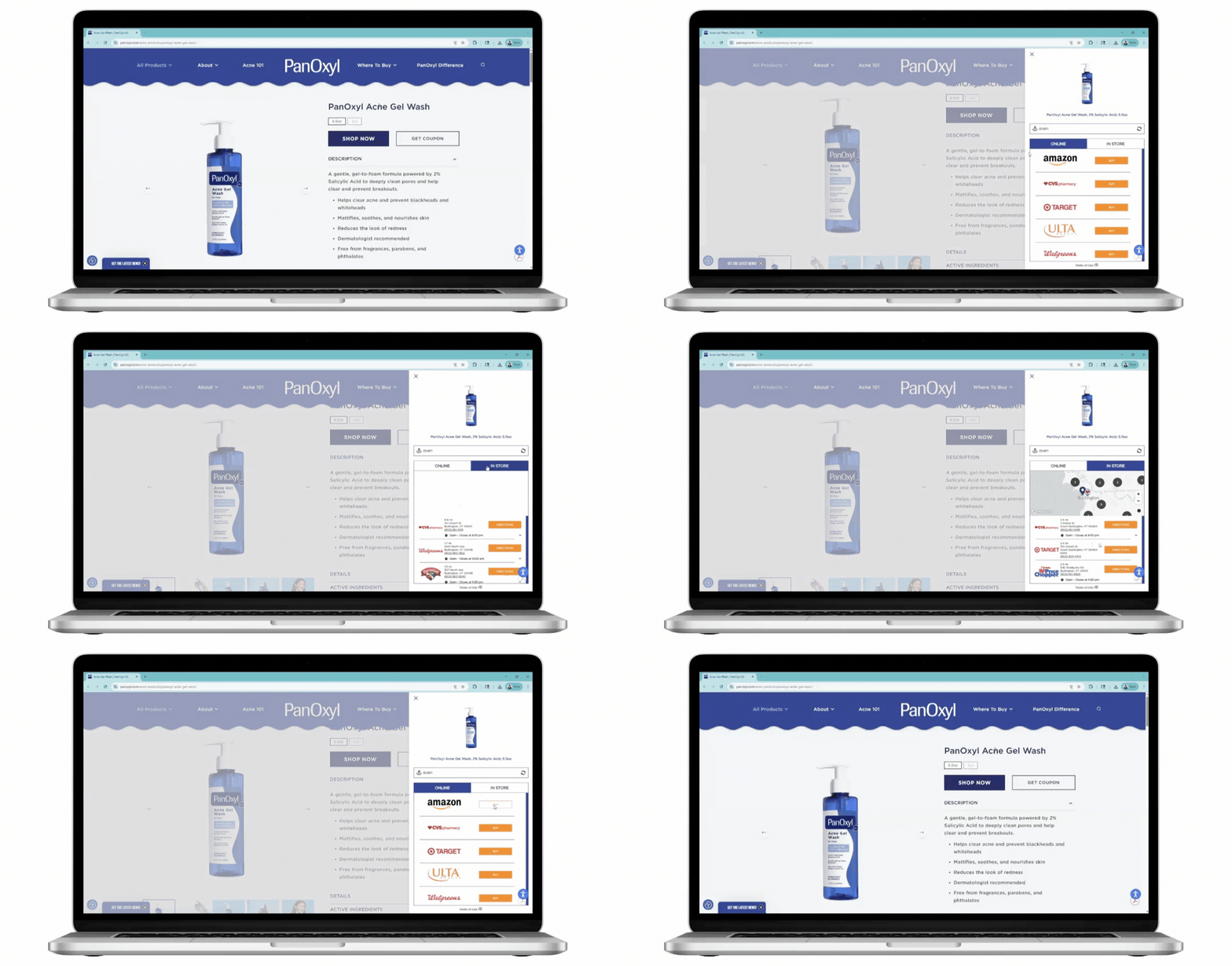
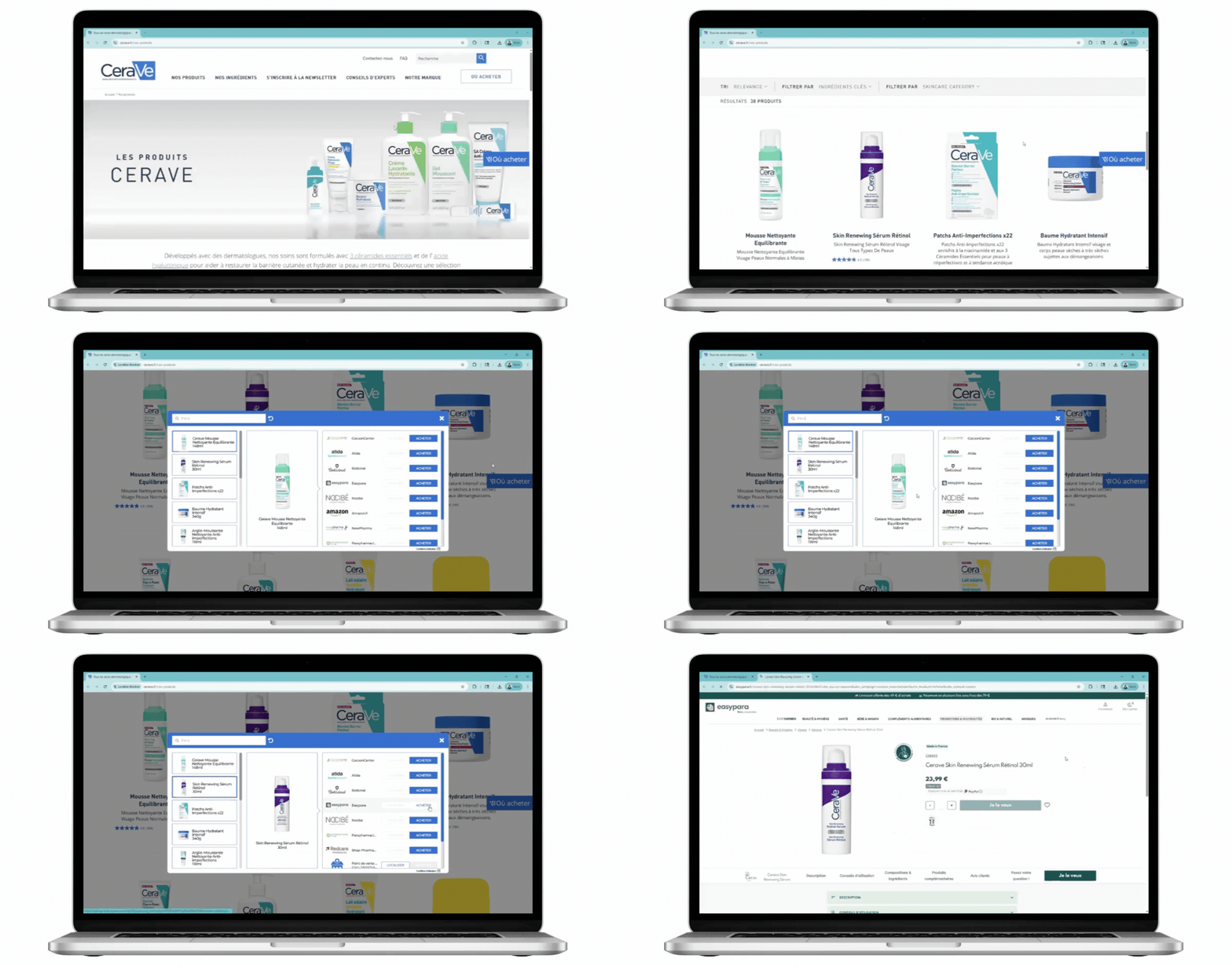
With MikMak Commerce, brands can deploy “Where to Buy” experiences in multiple formats, including dedicated landing pages, embedded modules on product pages, pop-ins, or sliding drawers. These formats can be combined to create a seamless path to purchase across the entire website.
Brand Example: PanOxyl
Brand Example: CeraVe
Brand Example: Aveeno Drives +526% Purchase Intent with MikMak Commerce-Enabled Media
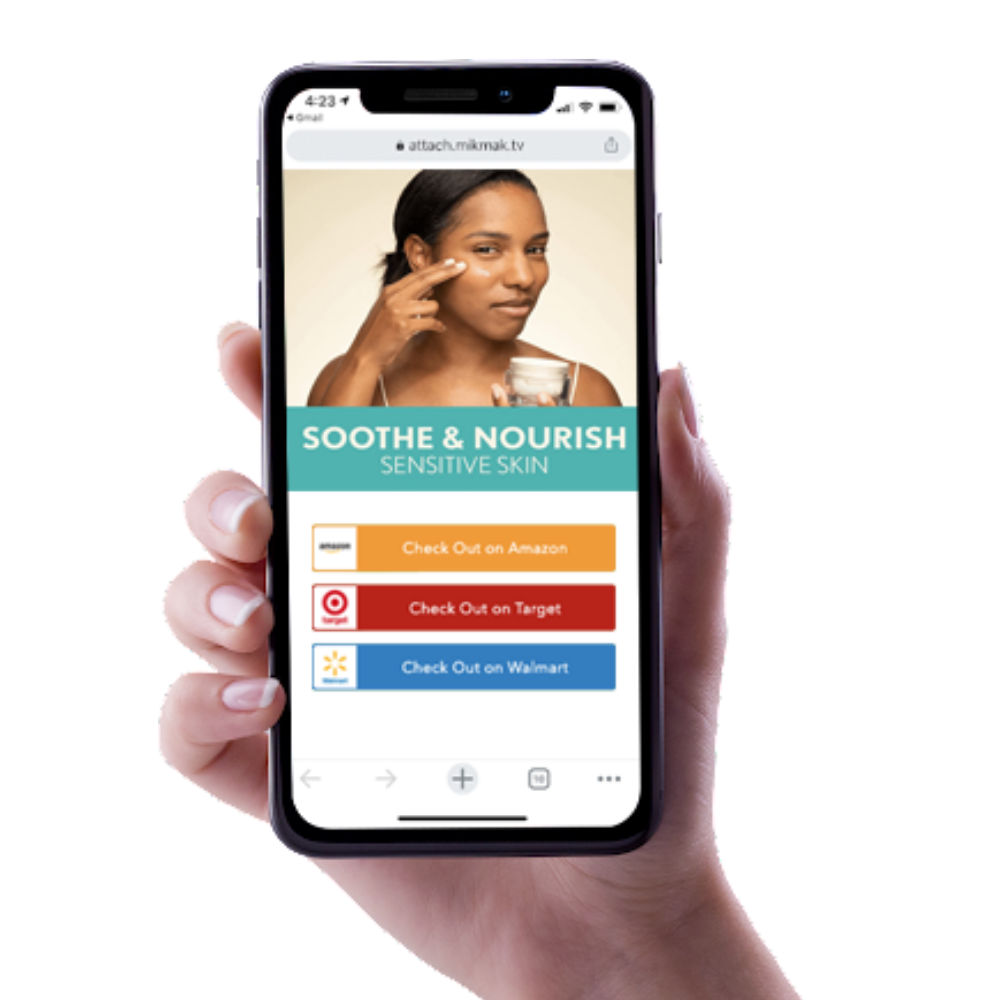
Aveeno tested whether search traffic should be directed to its brand website or directly to a commerce-enabled media experience.
Campaigns driving directly to a MikMak Commerce-enabled media experience delivered a 526% higher Purchase Intent Rate, with 1 in 5 users clicking through to buy from a retailer.
Brand Example: Bioderma

Brand Example: AmLactin
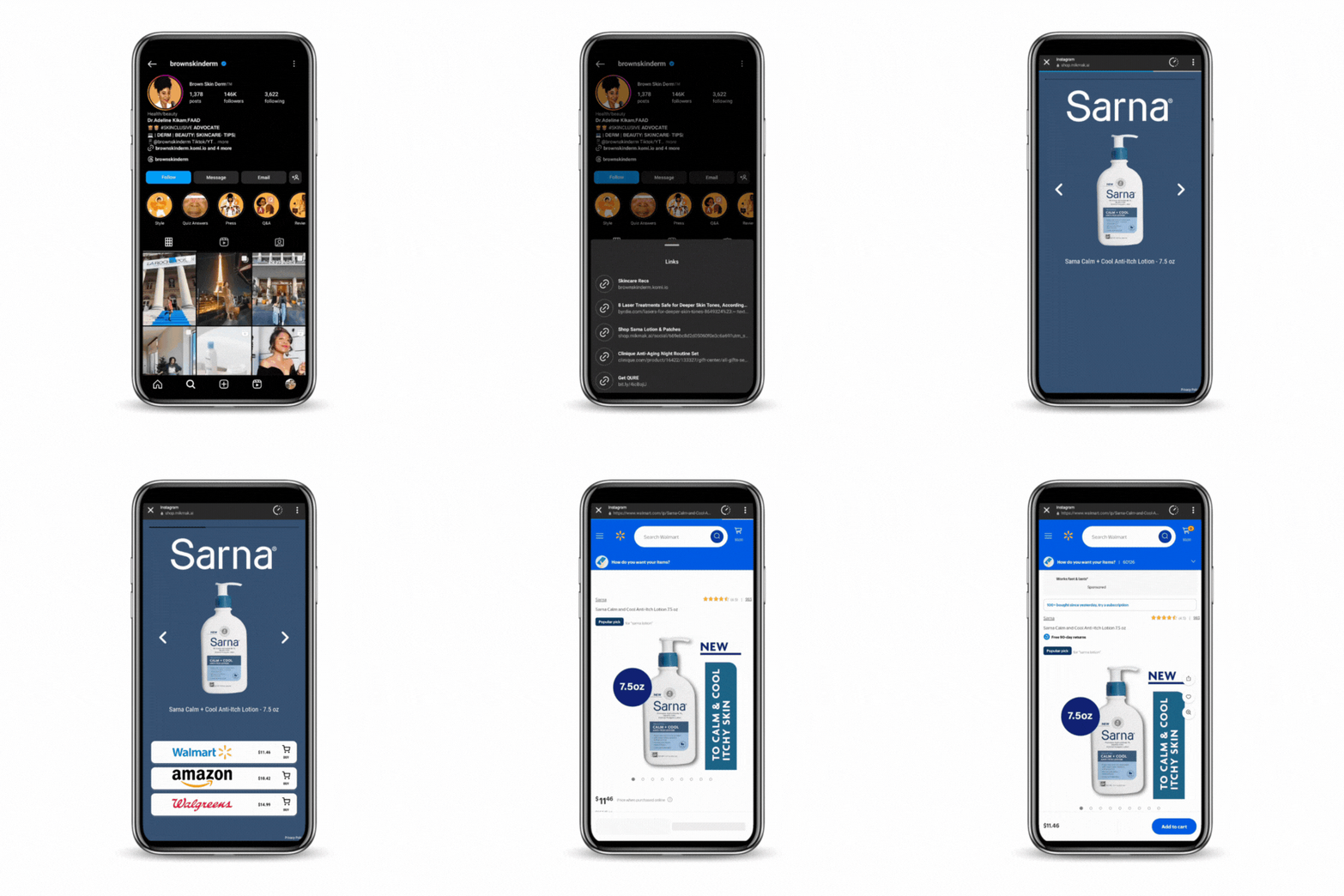
Brand Example: Sarna Activates Influencer Content with Shoppable Paths
Sarna enables commerce in influencer marketing by pairing creator content with “link in bio” MikMak experiences that guide users directly to retailer options.
This removes friction and allows consumers to act immediately after discovering the product, turning high-trust content into a direct path to purchase.
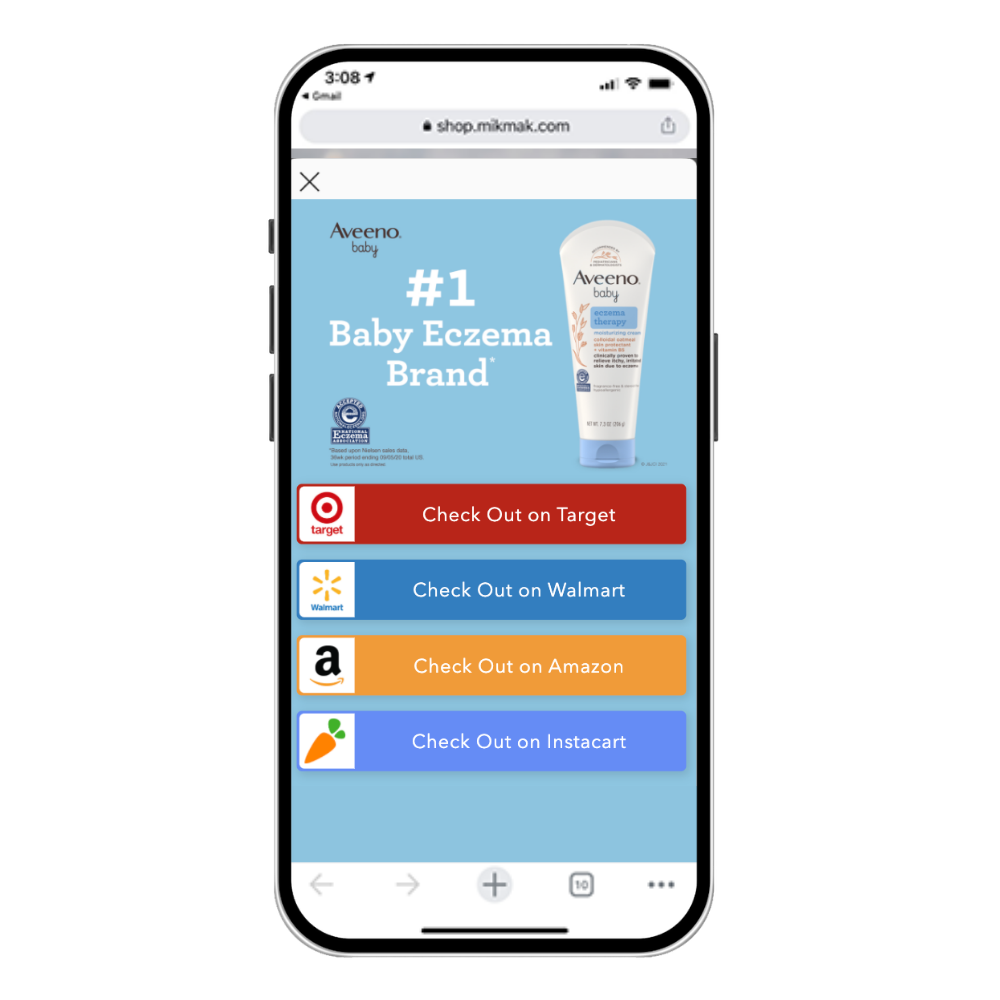
Brand Example: Aveeno Baby Builds High-Intent Audiences with First-Party Commerce Data
Aveeno Baby leveraged first-party data captured through MikMak Commerce-enabled experiences to identify and activate high-intent audience segments.
By analyzing real shopper behavior, including retailer preferences and purchase intent signals, the brand refined its targeting strategy and improved campaign efficiency.
Turn Your Commerce Marketing Strategy into a Growth Engine
For Dermocosmetics brands, where education, trust, and timing are critical, connecting discovery, validation, and purchase is a clear competitive advantage.
Enabling commerce across media and brand websites allows brands to measure purchase intent and analyze marketing performance throughout the conversion funnel.
MikMak data highlights three key realities:
- Brand websites convert highly engaged shoppers
- Media drives the majority of discovery and traffic
- Retailer preferences vary significantly by market and consumer
To succeed, brands must unite every touchpoint into a seamless, multi-retailer path to purchase. A commerce-enabled strategy allows brands to meet consumers where they are and make it easy to buy from their preferred retailer, while capturing insights into what drives purchase decisions.
Explore our full guide to eCommerce Enablement for more best practices for building a scalable, multi-retailer commerce strategy across your brand and media ecosystem.
